


Communication Breakdown in Business: How Poor CX Feedback Loops Cost You Customers in 2026
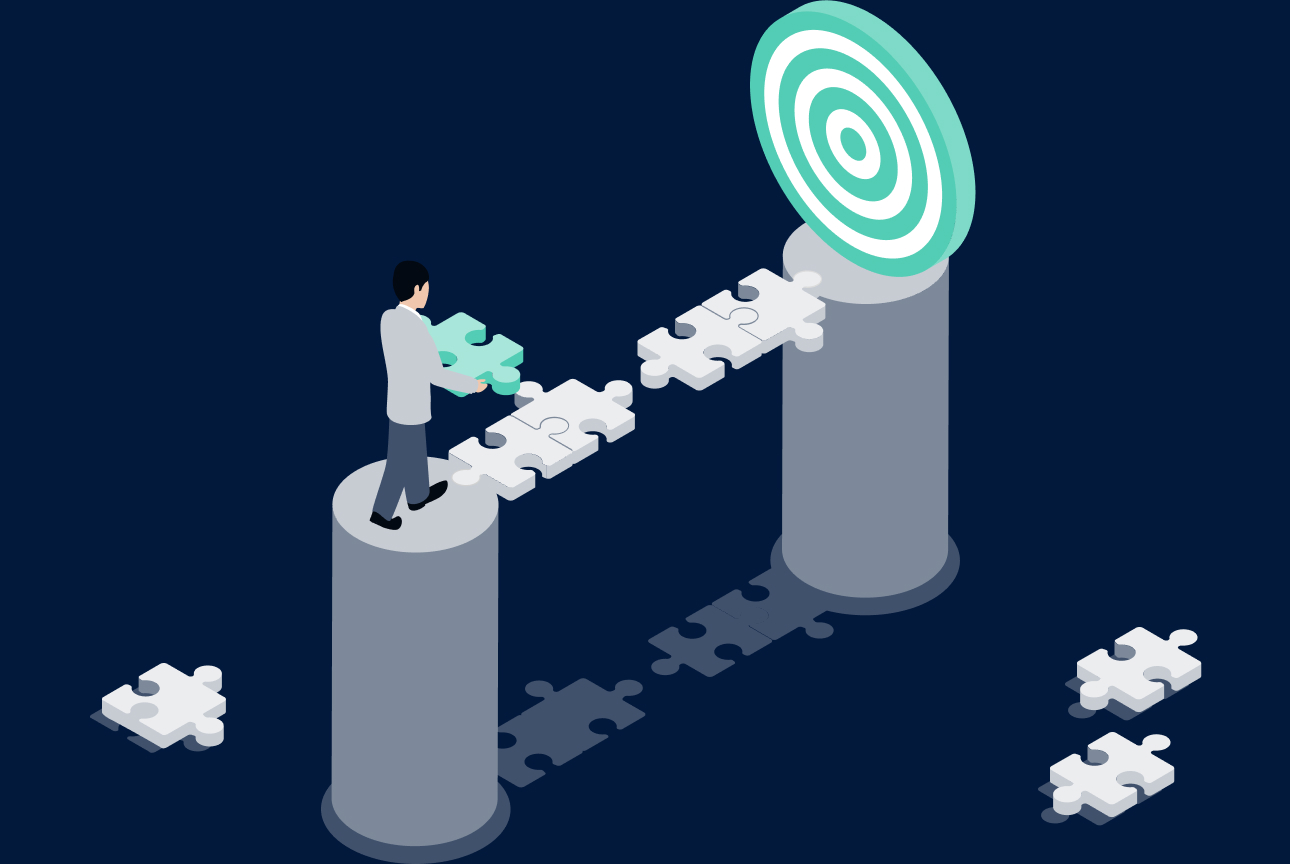
A customer submits feedback. Nothing happens. No acknowledgment, no fix, no follow-up. Three months later, that customer is gone.
This plays out thousands of times a day across mid-market and enterprise companies. The problem is rarely a shortage of feedback — most CX teams are already collecting NPS scores, CSAT responses, and post-interaction surveys at scale. The problem is what happens after the data comes in. Or more accurately, what doesn’t.
This article breaks down exactly where CX feedback loops fail, why those failures cost you customers, and what closing the loop actually looks like in practice.
Table of Contents
- What “Breakdown in Communications” Really Means in a CX Context
- The Four Points Where CX Communication Breaks Down
- Why This Matters More in 2026
- What a Working CX Feedback Loop Looks Like
- How Automation Fixes the Communication Gap
- The Internal Communication Breakdown You’re Probably Ignoring
- Signs Your CX Feedback Loop Has a Communication Breakdown
- Fixing the Loop: Where to Start
- FAQs
- Conclusion: The Score Is a Symptom — The Loop Is the Fix
What “Breakdown in Communications” Really Means in a CX Context
When most people hear “breakdown in communications,” they picture a missed email or a misaligned team. In customer experience, the breakdown is more systemic — and far more expensive.
Here’s what it actually looks like: a customer tells you something is wrong, your platform records it, your team reviews a dashboard once a month, and the customer never hears back. From their perspective, you ignored them. From your team’s perspective, you were busy. Both things can be true. The customer still leaves.
The breakdown isn’t always a technology problem. It’s the gap between collecting feedback and acting on it. That gap is where churn lives.

The Four Points Where CX Communication Breaks Down
1. Feedback Gets Collected but Not Routed
Your NPS survey fires after a purchase or service interaction. A detractor scores you a 3 out of 10 and writes a detailed comment about a billing issue. That response lands in a dashboard. No one routes it to the billing team. No one follows up with the customer. The score gets averaged into a monthly report that goes to leadership.
The customer took the time to tell you something was wrong. They heard nothing back. That silence communicates something too: that their feedback didn’t matter.
2. The Right Team Never Sees the Right Feedback
Even when CX teams review feedback, they often can’t act on it alone. A complaint about delivery speed needs logistics. A product defect needs the product team. A billing dispute needs finance.
Without automated routing, feedback stays inside the CX function. Issues that require cross-functional action stall. The customer’s problem goes unresolved — not because no one cared, but because no one with the authority to fix it ever saw the signal.
3. Actions Are Taken but Never Communicated Back
Sometimes teams do act. They fix the billing issue, update the delivery process, address the product defect. But they never tell the customer.
From the customer’s view, nothing changed. They complained, heard nothing, and are now weighing whether to stay or leave. The fix existed. The communication didn’t.
This is one of the most common and most avoidable forms of CX breakdown. Closing the loop means telling customers what changed because of their feedback. Without that step, even good CX work goes unrecognized.
4. Insights Stay Siloed and Never Reach Leadership
CX teams often sit on rich qualitative data that could drive real strategic decisions. But when feedback analysis is manual, the insights that reach leadership are filtered, delayed, and stripped of urgency.
By the time a pattern in customer complaints becomes a slide in a quarterly review, the customers who flagged it have already made up their minds. The communication breakdown here is internal — but the consequence is external.

Why This Matters More in 2026
Customer expectations around responsiveness have shifted. People who submit feedback expect a reaction. Not necessarily a phone call, but some signal that their input was received and acted on.
When that signal doesn’t come, the interpretation is almost always the same: the company doesn’t care. That perception drives churn faster than the original complaint ever would have.
In retail, energy, financial services, and internet services — where switching costs are lower than they’ve ever been — the window between a negative experience and a cancelled contract is short. A communication breakdown in your feedback loop doesn’t just cost you a score. It costs you a customer.
What a Working CX Feedback Loop Looks Like
A functional customer experience feedback loop has four stages, and communication runs through each one.
Collect feedback at the moments that matter. Post-purchase, post-service, post-onboarding — not just once a year, but at the touchpoints where sentiment is highest and most actionable. zenloop’s Survey Suite lets you run NPS, CSAT, CES, and custom surveys across every channel from one platform.
Analyze what the feedback actually means. Not just the score, but the pattern behind it. Which issues keep recurring? Which segments are most at risk? Which complaints are driving the most churn? This is where AI changes the speed of the loop. Manual analysis takes weeks to surface patterns. Automated analysis surfaces the highest-priority issues immediately.
Act before the customer disengages. That means routing complaints to the right team automatically, triggering win-back workflows for detractors, and enrolling promoters in advocacy programs. The action has to be fast, and it has to be the right action for the right customer.
Communicate back to the customer. Tell them what changed. Even a brief message acknowledging their feedback and explaining what you did with it closes the loop — and signals that the relationship is real.
Every stage matters. Skipping the last one is the most common mistake.
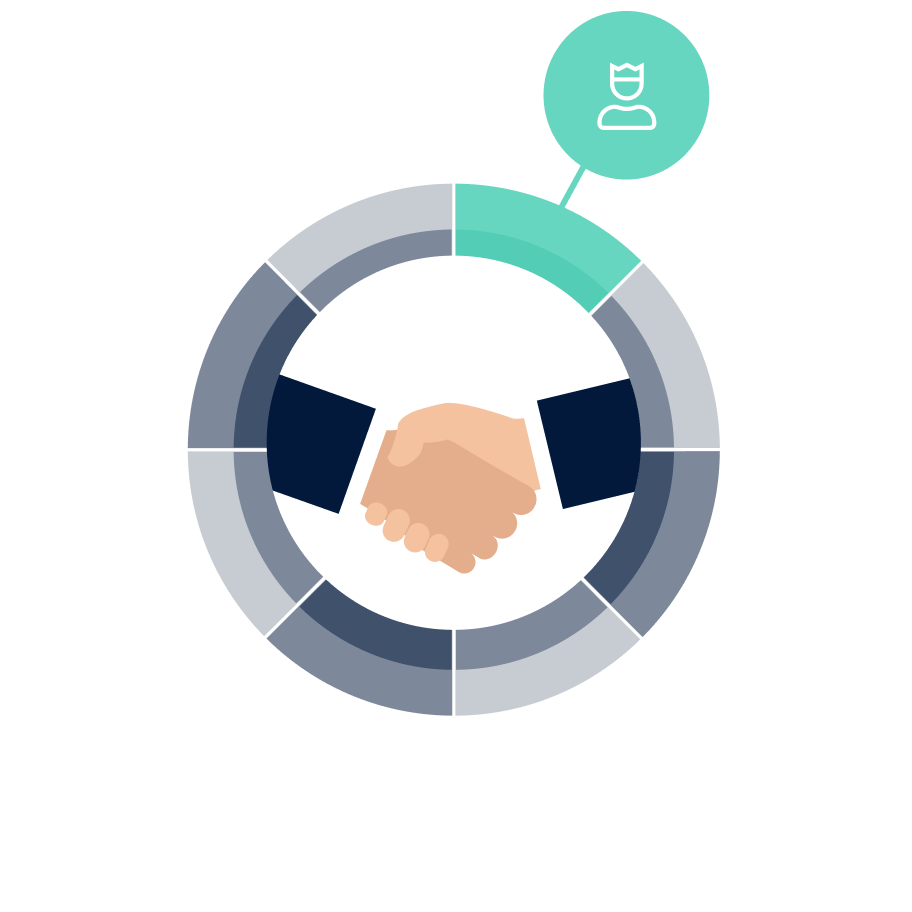
How Automation Fixes the Communication Gap
Manual processes can’t close the loop at scale. A CX team of three cannot personally follow up with every detractor across thousands of monthly responses. That’s not a resource problem — it’s a structural one.
NPS automation removes the dependency on human review at every step. When a detractor responds, an automated workflow can route the issue, trigger a follow-up sequence, and notify the relevant internal team — all within minutes.
Thalia, the German book retailer, used automated win-back workflows to recover 70 percent of dissatisfied customers. That result isn’t achievable through manual outreach. It requires a system that acts on feedback immediately, at scale, every time.
Tom Tailor automated their entire feedback-to-action pipeline: NPS responses are passed directly to their campaign platform, triggering segmented win-back flows for dissatisfied customers and referral campaigns for loyalists — without manual intervention. The result is above-average engagement rates and several hundred new club members within months. The loop closes automatically, every time.
The Internal Communication Breakdown You’re Probably Ignoring
Most conversations about CX feedback loops focus on the customer-facing side. But the internal breakdown is just as damaging.
When feedback insights don’t reach the right stakeholders, nothing changes. The product team keeps shipping the same friction. The logistics team keeps missing the same delivery window. The billing team keeps generating the same confusion.
Routing feedback to the right internal teams isn’t a nice-to-have. It’s the mechanism by which customer insight becomes organizational improvement. Without it, your NPS program is a measurement exercise — not a customer retention program.
zenloop is built around exactly this problem. The platform collects feedback at every touchpoint, uses its AI engine IRIS to surface and prioritize the highest-impact issues, and routes those issues to the right internal stakeholders automatically. Teams see what needs attention. Customers hear back. The loop closes.
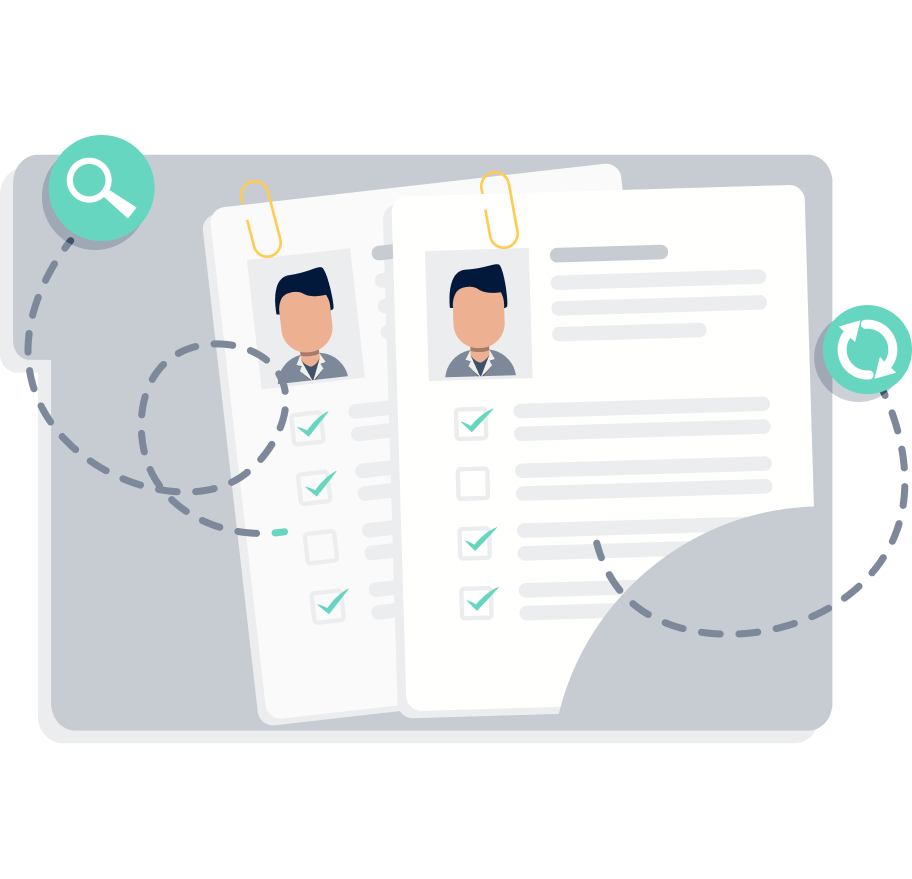
Signs Your CX Feedback Loop Has a Communication Breakdown
If any of these sound familiar, the breakdown is already costing you customers:
- NPS scores are collected monthly but reviewed quarterly
- Detractors receive no follow-up within 48 hours of responding
- Feedback complaints require manual forwarding to other departments
- Your CX team can’t tell leadership what changed because of customer feedback
- Promoters are never asked to advocate, review, or refer
- Customers who complained six months ago still have the same unresolved issue
None of these are unusual. They’re the default state for companies that have built measurement programs without building action programs.
Fixing the Loop: Where to Start
You don’t need to overhaul everything at once. Start with the highest-risk segment: detractors.
Identify every customer who scored you a 6 or below in the last 30 days. Ask three questions: Did they receive a follow-up? Was their issue routed to the right team? Did they hear back about what changed?
If the answer to any of those is no, you have a communication breakdown that’s actively driving churn. Fix that first.
Then build outward. Automate the routing. Set up closed-loop communication for resolved issues. Enroll promoters in advocacy workflows. The feedback loop becomes a retention engine when every stage is connected.
Don’t just measure NPS. Do something about it.

FAQs
What is a CX feedback loop and why does it matter?
A CX feedback loop is the process of collecting customer feedback, analyzing it, acting on it, and communicating the outcome back to the customer. Feedback without action doesn’t improve retention — customers who submit feedback and hear nothing are more likely to churn than those who never responded at all.
What causes a breakdown in communications in a CX program?
The most common causes: feedback not being routed to the right teams, no automated follow-up for detractors, insights staying siloed within the CX function, and no process for telling customers what changed. Each gap compounds the others.
How quickly should a company respond to a detractor’s feedback?
Speed matters significantly. The longer the gap between a negative response and a follow-up, the lower the chance of recovery. Automated workflows that trigger within hours of a detractor response consistently outperform manual follow-up that takes days or weeks.
What does “closing the loop” mean in customer experience?
Closing the loop means completing the full feedback cycle: collecting the feedback, acting on it, and telling the customer what you did with it. The communication back to the customer is the step most companies skip — and it’s the step that most directly affects whether they feel heard.
How does AI help fix communication breakdowns in CX feedback loops?
AI shortens the time between feedback collection and action. Instead of a CX analyst manually reviewing hundreds of responses to find patterns, an AI engine surfaces the highest-priority issues immediately. The right teams see the right signals faster, and automated actions can trigger before a customer disengages.
Can a small CX team manage a closed-loop feedback program at scale?
Yes — but only with automation. A team of two or three can’t manually close the loop with thousands of respondents. Automated routing, win-back workflows, and closed-loop communication templates make it possible for a lean team to run a high-volume program without dropping responses.
What is the difference between measuring NPS and acting on NPS?
Measuring NPS tells you how customers feel. Acting on NPS changes how they feel. The measurement produces a score. The action produces retention. Companies that treat NPS as a reporting metric rather than an action trigger collect data without generating value from it.
Conclusion: The Score Is a Symptom — The Loop Is the Fix
Your NPS score is a symptom. The communication breakdown in your feedback loop is the cause.
When feedback doesn’t reach the right people, when detractors go uncontacted, when fixes never get communicated back — customers draw their own conclusions. Those conclusions drive churn.
The fix isn’t more surveys. It’s a customer experience feedback loop that actually closes. Collect feedback at the moments that matter. Act on it automatically. Tell your customers what changed.
That’s how you keep them.
Curious to see the full scope of the new zenloop platform?
Whether surveys, review management, or AI-powered analytics — we’d love to show you how to unlock every capability for your brand. Just reach out.
sales@zenloop.com | +49 30 91739927