


How to Close the Loop on Customer Feedback: A Step-by-Step Guide for CX Teams
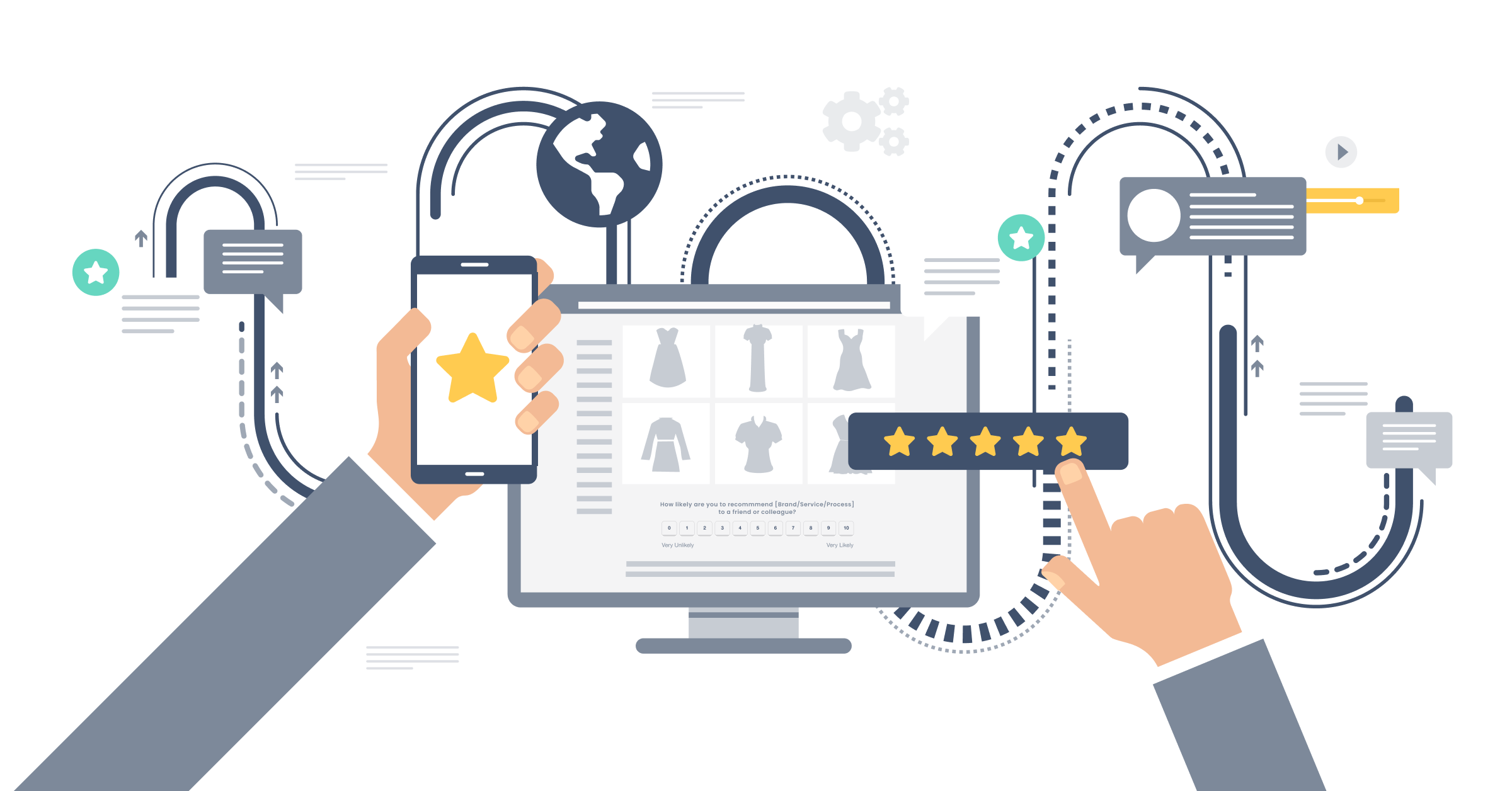
Your customer just gave you a low NPS score and detailed feedback about their poor experience. What happens next determines whether you keep or lose that customer.
Most companies collect feedback but fail at the most important part: acting on it. This guide shows you exactly how to close the loop on customer feedback, turning negative experiences into opportunities and proving to customers that you actually listen.
What Does It Mean to Close the Loop on Customer Feedback?
Closing the loop on customer feedback means completing the full cycle from collection to action to communication. It’s not enough to send surveys and analyze results. You must respond to individual customers, fix underlying issues, and tell customers what changed because of their input.
The closed loop feedback process has three core components:
- Individual response: Addressing each customer’s specific concerns
- Systemic improvement: Fixing root causes that affect multiple customers
- Communication back: Letting customers know their feedback created change
Without all three elements, you’re not truly closing the loop. You’re just collecting data. For a deeper dive into the methodology, see our complete Closing the Loop NPS Guide.
Why Closing the Loop Matters for Your Business
Companies that close the loop see measurable improvements in customer retention and loyalty. When customers know you act on their feedback, they feel heard and valued.
The business impact is clear:
- Reduced churn: Proactive outreach to dissatisfied customers prevents silent departures. Learn more in our churn analysis guide.
- Increased loyalty: Customers who see you implement their suggestions become advocates. Discover effective customer loyalty programs that reinforce this effect.
- Better insights: Follow-up conversations reveal deeper issues surveys miss
- Team alignment: Clear feedback workflows help internal teams prioritize improvements
- Competitive advantage: Most companies still don’t close the loop effectively
For retail companies, this might mean following up on delivery complaints and updating shipping processes. Energy providers use closed loop feedback to address billing concerns and improve customer service training. Financial services firms close the loop on product feedback to enhance digital experiences.

The Complete Closed Loop Feedback Framework
Effective closed loop feedback follows a systematic six-step process. Each step builds on the previous one, creating a comprehensive system that captures, analyzes, and acts on customer input. This is the heart of CX Action Management — bridging the gap between insights and action.
This framework works whether you’re managing feedback manually or using automated tools. The key is consistency and speed—customers expect quick responses when they share concerns.
Step 1: Collect Feedback at Critical Moments
Start by identifying when customers are most likely to have strong opinions about their experience. These moments along the customer journey vary by industry but often include:
- Post-purchase or post-service delivery
- After customer support interactions
- Following product onboarding or setup
- At renewal or subscription milestones
- After complaint resolution
Send short, focused NPS surveys at these moments. Ask the standard NPS question (“How likely are you to recommend us?”) followed by an open-ended question about their experience.
Keep surveys brief. Long questionnaires reduce response rates and delay the feedback loop. You can always follow up with additional questions later.
Time your surveys strategically. Send them when the experience is fresh but not immediately after a stressful interaction. A few hours or a day later often works best.
Step 2: Analyze and Prioritize Responses
Not all feedback requires the same level of urgency. Create a triage system that prioritizes responses based on:
- Score severity: NPS detractors (0-6) need immediate attention
- Customer value: High-value accounts get priority treatment
- Issue type: Service failures require faster response than feature requests
- Escalation potential: Public complaints or social media mentions need quick action
Use AI-powered sentiment analysis to categorize feedback themes and identify patterns. This helps you spot systemic issues that affect multiple customers, not just individual complaints.
Create response time targets for each priority level. For example:
- Critical detractors: Same day response
- Moderate concerns: Within 48 hours
- General feedback: Within one week
Step 3: Take Immediate Action on Detractors
Detractors who score 0-6 on NPS surveys represent your highest churn risk. They need immediate, personalized attention.
Create automated workflows that trigger when detractor responses come in. The workflow should:
- Alert the appropriate team member within minutes
- Provide context about the customer and their feedback
- Suggest specific response templates based on the issue type
- Set follow-up reminders to ensure resolution
Train your team on effective detractor outreach. The initial response should acknowledge their concern, apologize for the poor experience, and offer a specific next step. Avoid generic responses that feel automated.
For complex issues, escalate to senior team members who can make decisions quickly. Detractors don’t want to repeat their story multiple times or wait for approvals. Done right, this is one of the most effective ways of preventing customer churn.
Step 4: Escalate Issues to Relevant Teams
Individual customer responses solve immediate problems, but systemic improvements prevent future issues. Create clear escalation paths that route feedback to the teams who can fix root causes.
Map feedback categories to responsible teams:
- Product issues → Product management
- Service problems → Operations or customer success
- Billing concerns → Finance or customer support
- Technical bugs → Engineering or IT
Include specific details when escalating:
- How many customers reported similar issues
- The business impact (revenue at risk, churn potential)
- Suggested solutions or next steps
- Timeline expectations for resolution
Track escalated issues to completion. Many companies escalate feedback but never follow through to ensure fixes happen — this is the “Action Gap” we covered in our CX Action Management study on the main CX challenges.
Step 5: Communicate Back to Customers
The most overlooked step in closing the loop is telling customers what changed because of their feedback. This communication transforms a negative experience into a positive one — and over time, can even turn detractors into promoters.
Follow up with customers who provided feedback to share:
- What specific actions you took based on their input
- How the changes will improve their future experience
- Timeline for when they’ll see the improvements
- Appreciation for taking time to share their thoughts
Personalize these communications. Reference their specific feedback and explain how it contributed to the changes. Generic “we made improvements” messages don’t close the loop effectively.
For systemic improvements, consider broader communication through email newsletters, product updates, or community announcements. Show all customers that feedback drives real change. This kind of consistent dialogue is a cornerstone of strong customer life cycle marketing.
Step 6: Track and Measure Impact
Measure the effectiveness of your closed loop process with specific metrics:
- Response time: How quickly you respond to different feedback types
- Resolution rate: Percentage of issues fully resolved
- Follow-up NPS: Scores from customers after you close the loop
- Retention impact: Whether customers who received follow-up stay longer
- Team efficiency: Time spent on feedback workflows
Track these metrics monthly and adjust your process based on results. If response times are too slow, add more automation. If resolution rates are low, improve team training or escalation procedures. For benchmarks, see the 10 key highlights from our CX Action Management study.

Automating Your Closed Loop Process
Manual feedback management doesn’t scale beyond small teams. Automation helps you respond faster and more consistently while freeing up time for complex customer interactions.
Key automation opportunities include:
Trigger-based workflows: Automatically route feedback based on score, keywords, or customer segments. High-priority issues get immediate attention while routine feedback follows standard processes.
Response templates: Create personalized but efficient responses for common feedback types. Templates ensure consistency while allowing customization for specific situations.
Internal notifications: Alert relevant team members when their expertise is needed. Product managers get notified about feature requests, while customer success teams handle service issues.
Follow-up scheduling: Automatically schedule check-ins with customers after initial responses. This ensures no feedback falls through the cracks. For low-touch feedback, customer self-service can also help close the loop at scale.
Progress tracking: Monitor the status of escalated issues and remind teams about pending actions. Visibility prevents delays and keeps everyone accountable.
Platforms like zenloop automate these workflows while maintaining the personal touch customers expect. The AI-powered analysis identifies patterns and priorities, while automated rules trigger appropriate responses for different feedback types.
Common Pitfalls and How to Avoid Them
Even well-intentioned teams make mistakes when implementing closed loop feedback. Here are the most common pitfalls:
Pitfall 1: Delayed responses — Waiting days or weeks to respond makes customers feel ignored. Set up automated acknowledgments that buy you time while preparing detailed responses.
Pitfall 2: Generic communications — Template responses that don’t reference specific feedback feel impersonal. Always include details from their original message.
Pitfall 3: No follow-through — Promising to fix issues but never updating customers breaks trust. Create systems to track promises and communicate progress.
Pitfall 4: Internal silos — Feedback that never reaches the right teams can’t drive improvements. Map clear escalation paths and track handoffs.
Pitfall 5: Measuring activity, not outcomes — Counting surveys sent doesn’t matter if you’re not improving customer satisfaction. Focus on retention and loyalty metrics — see our customer experience hub for the right KPI framework.
Industry-Specific Considerations
Different industries face unique challenges when closing the loop on customer feedback:
Retail and E-commerce — Focus on delivery, product quality, and return experiences. Customers expect quick resolutions for order issues. Use feedback to improve logistics and product descriptions.
Financial Services — Regulatory requirements may limit how quickly you can resolve certain issues. Set clear expectations about timelines and keep customers updated on progress. The European NPS approach can be especially relevant for regulated EU markets.
Energy and Utilities — Service interruptions and billing complexity generate frequent feedback. Create specialized workflows for outage-related complaints versus billing questions.
SaaS and Technology — Product feedback often requires development work with longer timelines. Communicate roadmap updates and beta testing opportunities to engaged customers.
Healthcare — Privacy regulations affect how you can follow up with patients. Develop compliant communication methods that still show you value their input.
FAQs
How quickly should we respond to customer feedback?
Response time depends on the feedback type and customer priority. Aim for same-day responses to detractors, 48 hours for moderate concerns, and one week for general feedback. Automated acknowledgments can buy you time for detailed responses.
What’s the difference between closing the loop and just responding to feedback?
Closing the loop includes three elements: individual response, systemic improvement, and communication back about changes made. Simply responding addresses the immediate concern but doesn’t complete the full cycle.
How do we handle feedback that requires long-term fixes?
Acknowledge the feedback immediately, explain the timeline for resolution, and provide regular updates on progress. For product improvements, consider inviting customers to beta test new features or join advisory groups.
Should we close the loop on positive feedback too?
Yes, but differently. Thank promoters for their feedback and consider enrolling them in advocacy programs, referral initiatives, or case study opportunities. Positive feedback is valuable for marketing and team morale.
What if customers don’t respond to our follow-up communications?
Not all customers will engage, and that’s normal. Track response rates and adjust your communication style or timing if rates are consistently low. Focus on making improvements even when customers don’t respond directly.
How do we measure the ROI of closing the loop?
Track metrics like customer retention rates, follow-up NPS scores, and revenue from customers who received closed-loop follow-up. Compare these to customers who didn’t receive follow-up to measure impact.
Can we automate the entire closed-loop process?
You can automate workflows, routing, and initial responses, but human involvement is important for complex issues and final communications. The goal is to automate routine tasks while preserving personal touch where it matters most. Our Net Promoter Score hub covers practical examples.
Conclusion
Closing the loop on customer feedback transforms how customers perceive your company. It shows you don’t just collect opinions—you act on them.
Start with the six-step framework: collect feedback at critical moments, analyze and prioritize responses, take immediate action on detractors, escalate issues to relevant teams, communicate back to customers, and track your impact.
Focus on speed and consistency. Customers who share feedback expect acknowledgment and action. The companies that deliver both will see improved retention, loyalty, and competitive advantage.
Ready to automate your closed-loop feedback process? Learn more at zenloop.com and discover how AI-powered workflows can help you act on feedback automatically, turning every customer interaction into an opportunity to build stronger relationships.
Curious to see the full scope of the new zenloop platform?
Whether surveys, review management, or AI-powered analytics — we’d love to show you how to unlock every capability for your brand. Just reach out.
sales@zenloop.com | +49 30 91739927